
FUNGAL CONDITIONS IN CATS
We all know fungal infections are one of the skin conditions quite familiar to humans. There are many causes, both subjective and objective, that lead to fungal infections in people. But what few of us know is that contact with cats — a beloved pet in many households — is also one of the ways people can catch ringworm from cats. This condition produces fairly specific signs on the skin, and treating it properly requires following the right process. The article below will help you better understand how to treat this condition.
- Ringworm in cats

Causes: Hot, humid weather is the ideal condition for fungus to grow. If a cat isn’t sunbathed or dried thoroughly after a bath, and lives in a damp environment, it’s very prone to developing a skin fungal infection.
Your cat can catch it from another infected cat through direct contact.
Bathing your cat too often can also reduce the natural sebum that helps keep fungus in check, which can also lead to this condition.
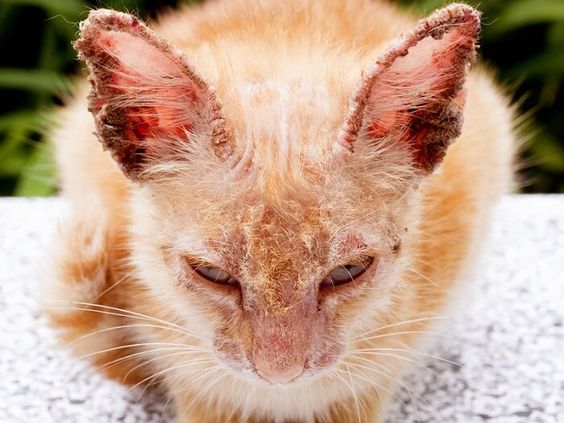
Symptoms: Cats with a fungal infection are usually itchy and uncomfortable, with fur falling out in large patches.
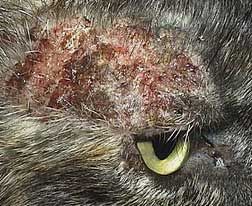
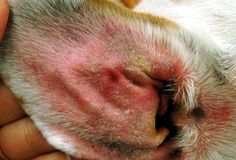
Layers of dead skin cells (dandruff) appear, which can form scales or crusty layers, with an unpleasant odor, irritated, reddened skin.
Areas of hair loss are round or oval, appearing red or dark due to changes in skin pigmentation.
Prevention: Regularly let your cat sunbathe, and keep its living area clean.
Keep your cat in a dry, well-ventilated place, avoiding damp and mold.
Clean and disinfect toys, grooming tools, the cage, and any shed cat hair.
Dry your cat’s fur thoroughly after every bath.
Sick cats should be isolated from other cats to prevent the disease from spreading.
Don’t buy cats of unknown origin.
Avoid direct contact with a cat that has a fungal infection — wear gloves instead.
Treatment: When a cat has a fungal infection, its fur should be shaved to keep the infection from spreading and to make it easier to apply medication and control the condition.
Keep the affected area clean.
Some specialized antifungal medications include: Nizoral, Kentax, Ketoconazole, Fungikur, and Biopirox, as well as zinc oxide ointment — apply 1–2 times a day.
In severe cases, oral medication and liver-support supplements can be combined to increase treatment effectiveness.
Consider using an Elizabethan collar on your cat so it can’t lick off the medication.
Bathe your cat 1–2 times a week using green tea leaves, fresh lemon, or a specialized antifungal cat shampoo.
Don’t use regular soap on the affected area before applying medication.
You can also bring your cat to a veterinary clinic for the best treatment.
- Ringworm from cats in humans
When a person becomes infected with ringworm from a cat, red, round patches appear on different areas of skin such as the hands, legs, neck, and back, which can make the affected person feel self-conscious about their appearance. Not to mention the other health discomforts this condition brings.
The main way ringworm spreads from cats to humans is through direct contact with an infected cat — such as cuddling, kissing, petting, or sleeping in the same bed as the cat. Additionally, sharing items like bedsheets, towels, pillows, or combs with an infected cat can also spread the disease. That’s why treating ringworm from cats in humans is both important and urgent.
Prevention and treatment:
Don’t hug or kiss dogs or cats, and don’t let children hug or kiss them.
Don’t let children crawl around on the floor in a house with dogs or cats.
Don’t let dogs or cats into children’s bedrooms or playrooms.
Clean your home regularly to avoid shed pet hair flying around the house and sticking to beds, mats, clothes, and bedding.
Bathe dogs and cats regularly to keep them clean.
We should also maintain good personal hygiene ourselves, since damp sweat softens the skin’s keratin layer, causing friction that leads to irritation and skin abrasion — especially with poor hygiene and infrequent bathing, which gives fungal spores clinging to the skin enough time to develop into fungal threads.
Wash and boil clothes, dry them in the sun, and turn them inside out while drying.
The treatment process for ringworm from cats in humans depends on each patient’s specific condition. In mild cases, a doctor may prescribe ointments, liquid, or powder antifungal medications such as Clotrimazole, Terbinafine, or Miconazole, sometimes combined with other prescription medications.
In cases of severe skin fungal infection, you may be prescribed both topical and oral medication. But this depends on the patient’s individual constitution and overall health condition.