
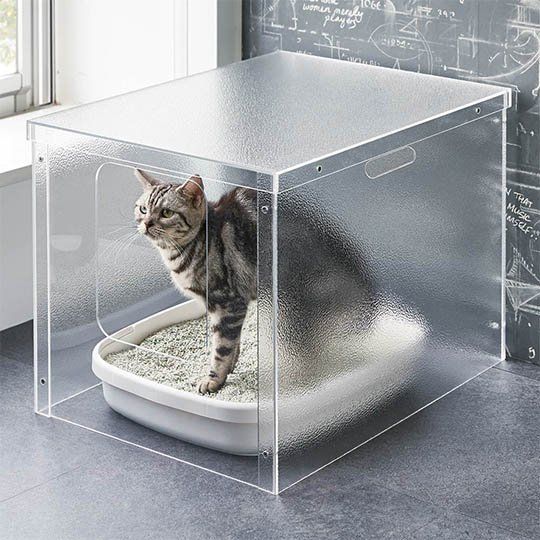
TYPES OF CAT LITTER
Cat litter is an essential product for cat owners. It absorbs and neutralizes odor from a cat’s waste, making cleanup easier than ever.
What’s more, most cats today are kept indoors, so using litter is a must if you want your living space to stay clean. As demand for cat litter keeps growing, the market now offers a wide variety of litters made from different materials.
- Clay Litter
The most popular type of litter on the market today, with bentonite clay as its main ingredient — the same key ingredient used to make toothpaste and shampoo. As a result, it’s extremely absorbent, clumps wonderfully well, and delivers up to 370% better odor control. It quickly forms solid clumps on contact with cat waste, making cleanup very easy, and it comes at a reasonable, budget-friendly price.

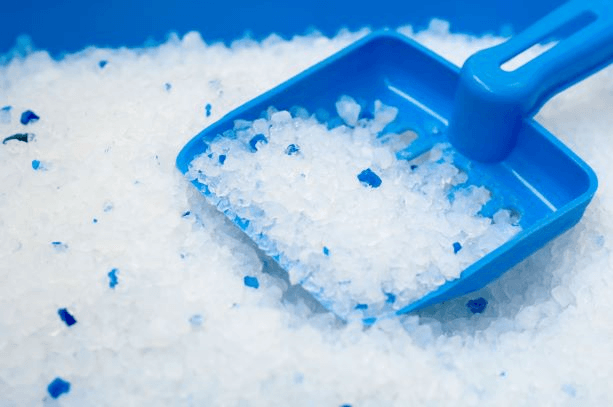
- Crystal (Silica Gel) Litter
Crystal litter is made from small silica particles, similar to the desiccant packets found in medicine bottles, food packaging, and other products that can be damaged by excess moisture. Notably, crystal litter is very lightweight and hard to break, yet it absorbs moisture and odor extremely well, and — most importantly — it’s dust-free and doesn’t stick to a cat’s paws. That’s also why crystal litter tends to cost more than other types of cat litter. However, because of its powerful absorbency — it can absorb up to 95% of its own weight — a 5-liter bag can be equivalent to 2–3 regular bags of cat litter, making it quite economical for long-term use.
These types of litter are all biodegradable and can be flushed down the toilet. They absorb quickly, but their odor control is limited.
Litters made from wood byproducts mainly use heat to remove toxins, oils, and allergens from the wood. Pine-scented litter helps control the smell of waste. The large-pellet form clumps somewhat, but in small-grain form, pine litter turns into sawdust that creates dust and requires frequent litter tray changes.
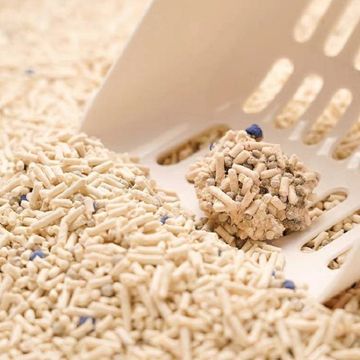

Clumping litter with no added fragrance is what cats like best
In studies of cats’ litter preferences, small-grain clumping clay litter came out as the most preferred. Cats show an aversion to litters with strong, heavily perfumed scents. Unfortunately, low-cost litters on the market often contain a lot of synthetic fragrance to help mask the smell of cat waste. Our recommendation is to choose litter that’s unscented or has only a light, natural scent.
BTM PET SHOP – Where Happy Experiences Meet Pets