

DIGESTIVE PROBLEMS IN DOGS
Intestinal disease is a common condition among many pet dogs today. According to one scientific study, more than 65% of sick dogs had issues related to the digestive tract.
Intestinal disease is one of the most dangerous conditions, with an extremely high risk of death. That’s why understanding the signs and treatment of intestinal disease in our dogs is absolutely essential.
- Causes of intestinal problems in dogs
Parvovirus: This is a highly lethal virus for dogs. It’s usually transmitted directly when our dogs come into contact with other infected dogs, or with feces containing the pathogen.
Indirect transmission through objects contaminated with feces is entirely possible, since this virus can survive in feces for up to 3 weeks after a pet becomes infected.
Once this virus enters a pet’s body, it begins to spread widely and penetrates tissues that produce blood cells, especially the lining of the small intestine. The disease becomes more severe as the virus reaches the bloodstream and damages tissue.
Bacteria: The bacteria most commonly responsible for intestinal disease in dogs are Salmonella and E. coli.
While E. coli is generally a benign bacteria — sometimes even considered beneficial — puppies with a weak digestive system, or those lacking the immune protection from their mother’s colostrum, are very susceptible to bacterial infection, especially E. coli, which makes the risk of Parvovirus-related intestinal disease even more serious.
Many species of Salmonella bacteria can cause digestive illness. Salmonella infection can cause severe blood poisoning (sepsis) or enteritis. This bacteria is often linked to infections and other conditions in both adult dogs and puppies. What’s more, the risk of miscarriage in pregnant dogs becomes many times higher.
Food-related factors: Dog food left out too long can spoil and go rancid, becoming an ideal environment for harmful mold, bacteria, and parasites that cause digestive and intestinal diseases in pets.
In addition, overfeeding a pet leads to excess food building up in its digestive system. Undigested food is one of the leading causes of intestinal disease, in both humans and dogs.
On top of that, a diet too high in fat and oil can easily cause indigestion in pets, especially dogs.
Also, many dogs are quite sensitive to sudden food changes, which can lead to diarrhea and other digestive problems.
- Symptoms of digestive problems in dogs
- Skipping meals or eating very little, and vomiting yellow fluid. At the same time, showing signs of stress, sadness, lethargy, and becoming less active — no longer running and playing like before.
- Going to the bathroom more frequently, 4–10 times a day, with visibly painful bowel movements and mucus in the stool.
- An unsteady gait, sunken cheeks, and dull, sunken eyes.
- A dog’s stool is usually very loose, black or greenish in color, with a foul, sour smell, and containing small red spots of blood.
- Very high fever, from 39°C to 40°C, sometimes accompanied by fever with shivering, listlessness, and deep unconsciousness.
- The dog’s belly becomes tight and swollen, and when lying down, the dog often props itself up on its front legs; walking becomes difficult, and the dog becomes exhausted and stays in one place.
- A dog with intestinal disease will have a faster heart rate than the normal 120–150 beats per minute, and will breathe very rapidly.
- Preventing intestinal disease in dogs
Maintain veterinary hygiene, keep the kennel clean, and make sure it stays warm in winter and well-ventilated in summer.
Use clean water and maintain good food hygiene.
Feed your dog quality food; never feed spoiled or moldy food. Follow the principle of “cook food thoroughly, boil water before drinking.”
Don’t feed your dog raw meat or raw eggs, since these can contain bacteria that cause intestinal disease in dogs.
Vaccinate against infectious diseases: distemper, parvovirus, rabies, infectious hepatitis, and leptospirosis, to strengthen the body’s resistance.
FUNCTIONAL FOOD KIBBLE
GUT HEALTH SUPPORT FOR DOGS — ANF NATURE’S KITCHEN 2KG
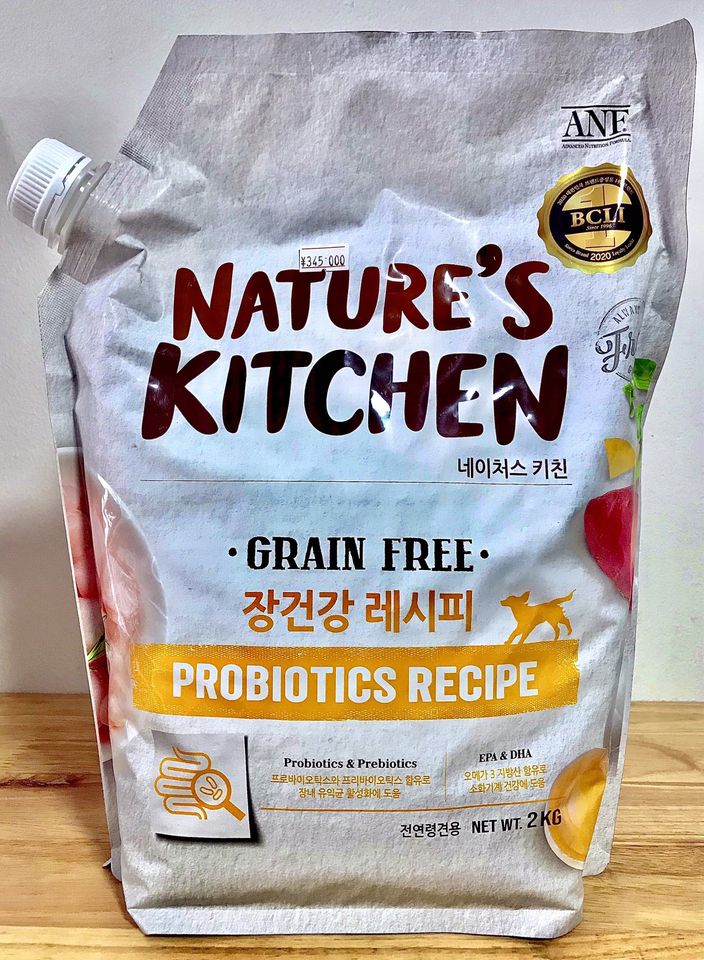
Supports digestive health
Helps maintain a healthy digestive system thanks to soluble fiber, and is grain-free.
Reduces stool odor
Contains digestive enzymes and herbal ingredients that stimulate the digestive system while reducing the odor of stool.
Supports stable intestinal motility
Beneficial probiotics (5 types of beneficial bacteria including Lactobacillus) and insoluble fiber help keep a dog’s intestinal motility stable and functioning well.
Improves blood circulation and helps prevent cardiovascular disease. Strengthens the immune system and improves overall physical condition.