
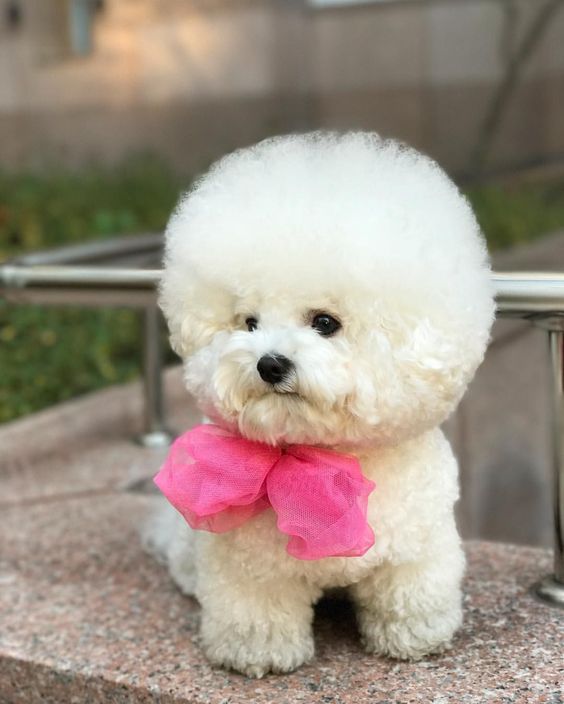
Poodle (Duck-Hunting Dog)
The Poodle is a hunting breed originally used to retrieve waterfowl — mainly ducks. Today, this breed has been bred into a companion/ornamental dog. The name “Poodle” comes from the German word “Pudel,” meaning “diver” or “splashing dog,” and their coat compresses flat against the body in water. The rest of the coat covers the joints and vital areas, keeping them protected from cold and injury.
Characteristics
This is a medium-sized breed. Its curly coat is its most distinctive trait. Its appearance gives the impression of a smart, quick, and confident dog.
Coat: Thick and curly
Colors: Blue, silver, gray, red, white, apricot, brown, café-au-lait.
Average lifespan: 12 to 15 years
Litter size: 2–4 puppies
– Standard Poodle: 35–45 cm
– Miniature Poodle: 28–35 cm.
– Toy Poodle: 24–28 cm (ideal: 25 cm)

Temperament
Known for its loyalty, the Poodle is highly capable of learning, easy to train, and makes a delightful companion. The Toy Poodle in particular is quite intelligent, responds very well to commands, and is considered one of the easiest breeds to train — cheerful, energetic, and eager to play with people. However, without regular exercise, they can become timid and show negative behaviors like biting, destroying belongings, growling, and excessive barking (Small Dog Syndrome).
Care
Poodles tend to live fairly long lives, though this still depends on hereditary conditions. Some are prone to IMHA (immune-mediated hemolytic anemia), luxating patella, diabetes, epilepsy, heart conditions, PRA (progressive retinal atrophy), excessive tearing, ear infections, and digestive issues. Eye problems like cataracts and retinal atrophy can cause blindness. Their skin is prone to allergies, sometimes due to improper use of grooming tools.
Their coat needs to be brushed and bathed regularly, and trimmed every six to eight weeks. Poodles shed very little and are a good fit for people with allergies. Regular trimming and shaving is needed to prevent overgrown fur from poking into the ears, eyes, nose, mouth, or other sensitive areas, which can cause illness. This trimming also serves an aesthetic purpose and helps the dog move more easily.
Clean and check their ears regularly to prevent ticks or infections in the ear canal. Their teeth need regular brushing. This is a breed that loves to be active, so they need a daily walk.
THINGS TO KEEP IN MIND WHEN RAISING A POODLE
– A 2-month-old Poodle puppy has already been weaned and is in the stage of learning to eat solid food; its digestive system isn’t fully developed yet, so it needs a well-balanced diet.
– Feed your Poodle twice a day, making sure each meal is packed with nutrients. Standard Poodles need 1.5–3 cups of dry food a day; Miniature Poodles need ¾–1 cup; and Toy Poodles, being quite small, only need ¼–½ cup a day. Pay special attention to feeding at consistent times and correct portions to help control weight and avoid potential health issues.
– Even though it’s a small breed that doesn’t need a huge amount of space, you still need to let your Poodle play comfortably. Take them outside for walks, playtime, and regular physical activity.
TRAINING TIPS
– Start training your Poodle from a young age so good habits form early. Training time and methods should be scheduled thoughtfully. It’s best to train in the morning or afternoon, keeping sessions to about 25 minutes a day. Teach from easy to difficult, and avoid overexerting your dog.
– Commands during training should be short, clear, and decisive. Space out exercises by 25–30 seconds so your dog has time to understand and respond. Avoid rushing through lessons or giving commands too difficult for your dog to understand.
– Your training attitude should be firm but patient — don’t yell at or scare your dog. Every time your dog completes an exercise, reward it with treats or affection.