
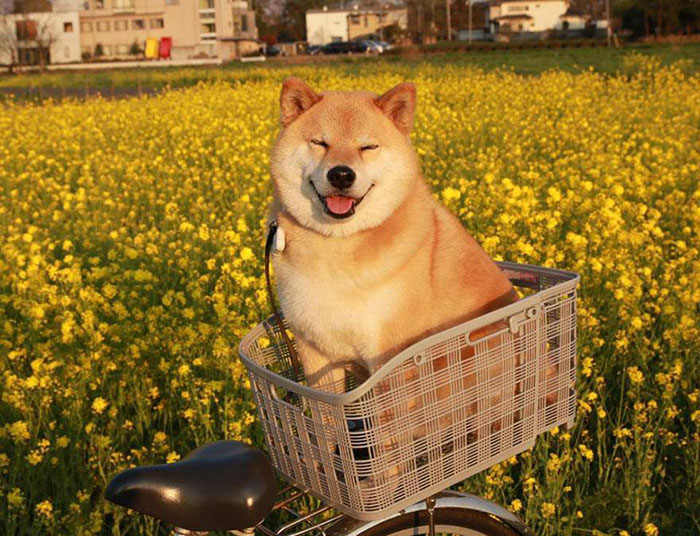
Shiba Inu: Sources, Features, and Care
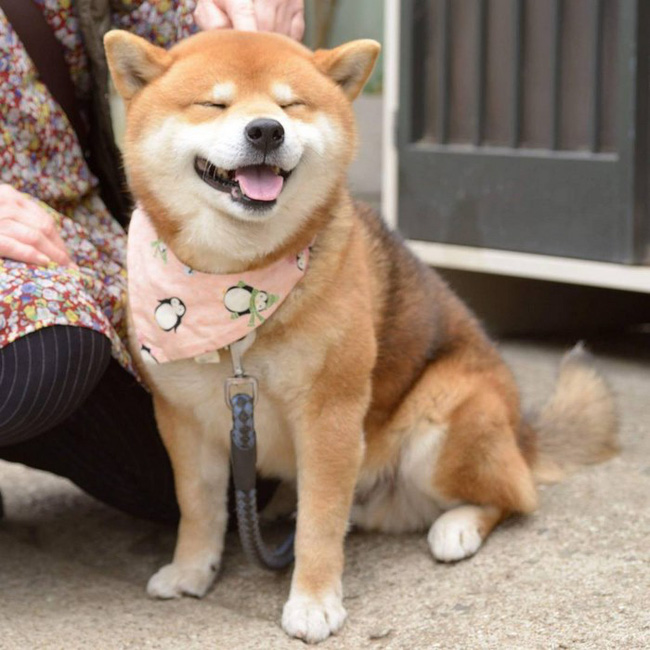
The Shiba Inu breed or also known as Shiba is known as “the dog Shiba laughs because of their lovely expression form. The touching story of the dog named “Hachiko waiting for its owner for 10 years at the pier also became a legend that took the tears of many.
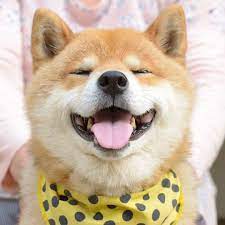
Along with Akita Inu, Shiba Inu is the most famous breed of cherry flower country. This is the smallest of six Japanese breeds of dogs that appear from the primitive period to the present day. Within the bounds of this article,BTMPET SHOP will bring you the most basic and necessary information when you decide to learn and raise a Shiba Inu.
TABLE OF CONTENTS
Source
The name Shiba Inu is a generalization of this dog. “Inu” in Japanese means dog. “Shiba” can be understood as “small bush” or “small.” Shiba Inu often has to go into small shrubs to hunt prey, so it can be understood that the name is talking about their hunting or may also be their small shape if “shiba” is understood to mean “little.”
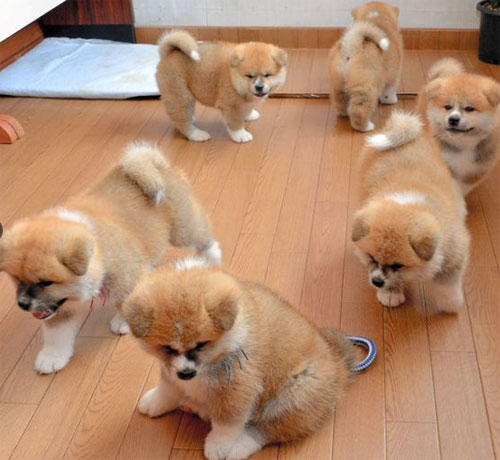
According to various studies on Shiba Inu, the dog dates back to the 3rd century BC in Japan and is used for hunting prey, mainly small prey such as birds or rabbits. This breed of dog may be considered a miniature of Akita Inu due to a smaller form. The popular habitat is Chubu Island in Honshu Island, Japan.
During the Second World War, the breed was at risk of extinction due to its use as a food source. At that time, pestilences and food shortages were everywhere and people had to think of many ways to sustain life, so this was completely understandable. So the remaining Shiba Inu breed to this day is the hybrid of the remaining three breeds of dogs: Shinshu Shiba (such as dogs from Nagano), Mino Shiba (from Gifu) and San’in Shiba (from Toottori and Shimane). As the study of Japanese landscape dogs was formalised in the 20th century, these three breeds combined into the modern Shiba Inu breed.
In 1936, Shiba Inu was recognized as Japan’s Natural Heritage via Japanese Culture. In 1954, the first Shiba dog followed an old service family that arrived in America. In 1979, the first puppy breed was born in the United States. Shiba was recognised by the 1992 American breed dog union and was added to the ACK team the following year. Currently, Shiba Inu has been around the world, mainly being petted in the family.
Shiba dog appearances
In general, the dogs of the Inu family have common features. As a result of living in much movement since the time of the ancestors, Shiba’s body has been fast and flexible. This is a dog that has a small body but firm muscle, typically lives from 10 – 15 years. In this breed, the male’s body is about 2 kg larger than the female. Male dogs weigh about 10 kg, about 35 – 43 cm tall. The female dog weighs about 8 kg, from 33 – 41 cm tall. They’re not big and they’re tough. Shiba’s hair consists of two distinct layers that help them both to keep warm and to protect their bodies. The hair inside is short and soft, attached to the body. The outer hairs are from 4 – 5 cm long, hard and cover the entire surface on the body, the tail hairs alone can be slightly longer, from 6 – 7 cm long. Shiba’s hair color is also quite diverse, which may include red, black, brown, or sesame. The inner lining also has many colors, consisting of ice cream, cow skin color, grey. Many Shiba dogs have white fur.
Shiba dogs with white cream hair (also known as Urajiro) will have white fur in the two sides of the mouth, on the cheek, inside the ear, on the lower jaw, throat, inside the legs, on the abdomen, inside the vents and the abdomen of the tail.
In red-coated dogs, this color also appears on the throat, chest tip, and chest.
For black Shiba dogs, the sign is simply a black triangle on both sides of the chest.
Character Properties
If you have young children in your family or other pets, you should consider raising more Shiba Inu because the dog is independent and has a measure of violence against other pets and young children. They may seem a bit rude, but in fact, this is a dog of great loyalty and respect for its owner.
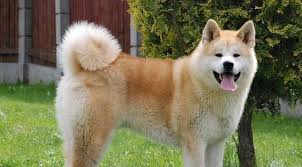
Shiba Inu is a species of hard dog with himself. They often have the habit of licking their furs and legs like cats because they do not like being dirty. Even when moving, the dog is very interested in its feathers to avoid the dirt. Even so, Shiba enjoys playing with the water, often running for a long time alongside small pools of water and playing in the water.
Shiba was easy to teach as a child, so you can note the time when they were young to teach some basic skills, including the use of sanitation. For example, if you want them to go to the right bathroom, you can take them out after each meal. They’re also very smart and very quick to understand. They can learn their own lessons in playing or hunting daily. When it gets agitated, Shiba will scream loud and loud. Other breeds of dogs can do the same when they face something exciting or someone they love.
How to Care for Shiba Inu
Nutrient Mode
Like other breeds of dogs, Shiba Inu requires a diet suitable for their own age and state.
- With kids from 1 – 2 months old:
This is the period in which their digestive system and their teeth are weak, unable to eat raw and hard food. You should feed them rice or soft rice to help you digest and clear your bowels. If you want to feed them dry food or nuts, then wash them in water first. One day you should feed the dog 4 – 5 meals.
- With kids from 3 – 6 months old:
This is the period in which their teeth are harder but have not yet been complete enough about teeth and gut. Shiba at the age of three months began to grow teeth and change hair so you need to supplement the adequate nutrition required for them to grow and operate. Much protein foods such as meat, fish, beef, and chicken meat should be fully supplemented and adjusted as their teeth are stronger. You shouldn’t feed them bones because their teeth aren’t strong enough to crush the bones and are very vulnerable. The reasonable amount of meals of the day is 2 – 3 meals and needs more regular water.
If you do not have enough time to make food for them, you can use the food that is already packed in order to supply the sufficient fiber and nutrients needed. You need to be aware of the animal organ in Shiba’s diet because this is a huge source of calories that is needed for a dog that enjoys touring.
- With Shiba from 6 months old and upward:
This was an adult stage and began to exercise in Shiba. The amount of food and nutrition required is the largest. Usually the amount of food from 450 – 600 grams, is divided into three meals. You can add vegetables and dry food.
Their drinking water should be boiling water so that it cools down and you should clean up their drinking products after each drink, avoiding the excess of water that is very easily germinated.
Care for the fur and nails for Shiba
Shiba’s fur is a double fur, so shaving for them needs to be careful. You should only shave the outer fur by the inner fur when shaved off and not grow back. The periphery on the end of the shave should have a length of 4 – 5 cm. If you don’t know how to shave, take them to intensive care rooms for them.
As you trim your nails, note the pink areas, avoiding bleeding them. If not trimmed properly and frequently, likely your dog will be infected with parasites and fungi.
They also need to be kept clean to avoid skin diseases and you should also use dog-specific bathing milk, avoiding chemical components that trigger their skin.
Some Common Diseases
These dog diseases are often associated with the eyes and bones such as allergies, eye optics, crystals in the eye. The bone disease is common to the bone, such as hip dysplasia and patellar luxation. These diseases are hereditary, and many Shiba children suffer. The cause is genetic disorder with many others.
From 2 years of age onwards, Shiba dogs are often far less likely to have disease of digesting and gut disease. You should visit them regularly. Shiba dogs need to be fully vaccinated to prevent diseases such as rabies and parasitic illnesses.
Finals
Shiba is a popular and popular breed in many countries. This is basically a dog that loves to function and to be smart, small but fast and clean. You may feel strange at first but will later realize that they are extremely loyal and will listen to their master. If you are going to raise a Shiba dog, you need to understand the basics of this article. In addition, you can go directly to dog shops to learn more. You’ll soon be able to choose a good Shiba.
BTM PET SHOP — Where Happy Experiences Meet Pets
- 🛍️ Pet accessories supplied
- 🏨 Pet hotel
- ✂️ Pet grooming
- 🎓 Training for students
- 📞 093 71 73 188
- 📍 135/31 Nguyễn Hữu Cảnh, Ward 22, Bình Thạnh, Ho Chi Minh City