
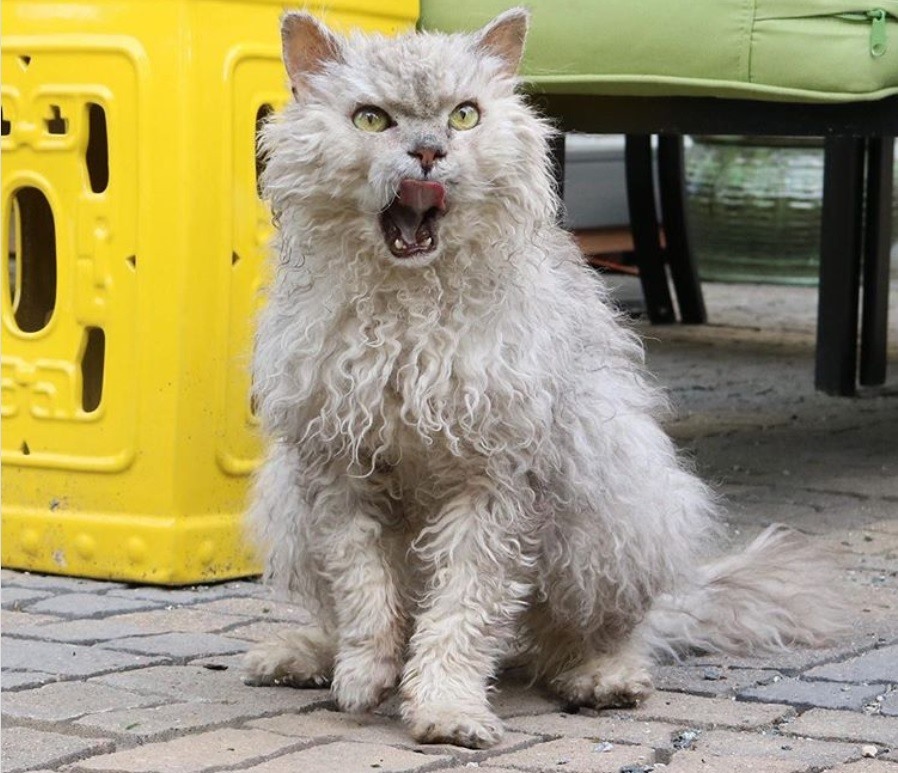
HOW CAT HAIR CAN AFFECT HUMAN HEALTH
Cats are among the most popular pets in households, and they live very closely with us. But that very closeness is what makes it easy for dangerous diseases to spread from cats to humans, quickly and in ways that are hard to control. This is especially true for families with young children — many kids have the habit of hugging, nuzzling, even sharing food or sleeping with cats, unknowingly exposing themselves to a source of illness, particularly cat hair. So do you actually know how cat hair can affect our health?
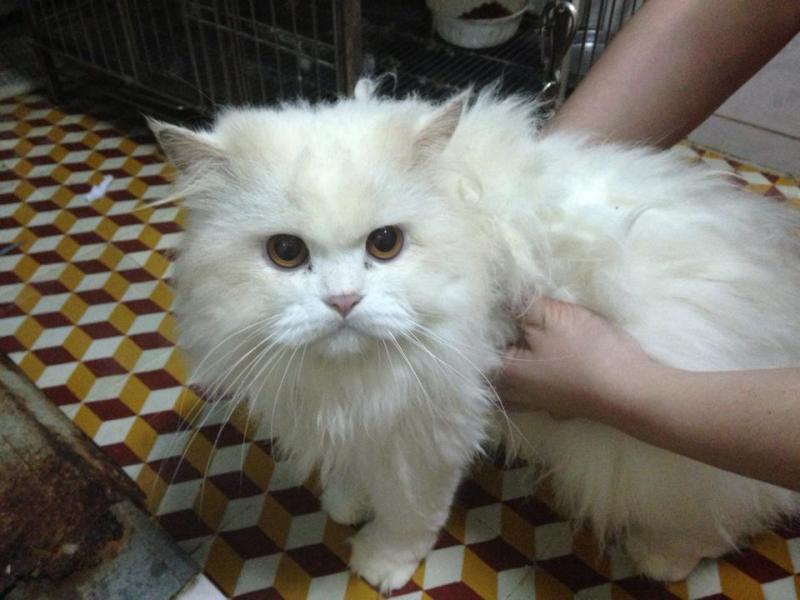
- Cat hair can carry bacteria
Pregnant women are advised to fully understand the health risks of cat hair, and to avoid direct contact with cats, since their fur can carry bacteria that may negatively affect the fetus.
Particularly harmful bacteria you might encounter on a pet’s fur include Salmonella and E. coli. Combined with severe diarrhea, these can require hospitalization and can even be life-threatening.
To keep your pet free of bacteria and reduce the health risks of dog/cat hair, make sure they’re bathed regularly and stay healthy through regular veterinary checkups.
- Cat hair can carry parasites
Plenty of parasites like to live in a pet’s living area if your dog or cat spends a lot of time outdoors. Parasites from pets can easily spread to you and others in your household if you’re not careful.
Hookworms, tapeworms, and even mange mites can all be found in animal fur, and they’re especially dangerous for pregnant women in terms of the health risks cat hair can pose.
One of the worst parasites found on dogs or cats is fleas — carried in your pet’s fur, they’ll quickly spread throughout your house and make life miserable, and they’re also very hard to get rid of.
The best way to make sure your pet stays parasite-free is to take them to the vet regularly for flea treatment and deworming. Using medicated shampoo when bathing your pet is also a great way to keep them healthy and minimize the health risks cat hair poses to your family.
- How to prevent it
According to the latest statistics from the Ministry of Health, in Vietnam about 5–7% of the population commonly experiences dog/cat hair allergies due to their sensitivity.
Cat hair allergies can be treated, but it can take 3–5 years to fully resolve, and treatment costs can be quite high besides. As the old saying goes, “prevention is better than cure” — and that’s really the best way to protect the health of your family members. This is especially true for anyone with asthma or allergic rhinitis, who absolutely should not keep cats.
According to pet care specialists, cats need to be bathed thoroughly 1–2 times a week. When bathing a cat, use a dedicated shampoo to remove parasites and bacteria clinging to its fur. If your cat shows unusual signs like hair loss, itching, or loss of appetite, take them to a veterinary facility right away.
To prevent diseases that can spread from pets like cats, you should get them checked and vaccinated regularly. Alongside that, regular bathing and periodic disinfection are also things worth keeping in mind.
You shouldn’t just know that HOW CAT HAIR CAN AFFECT HUMAN HEALTH is a real concern — you should also understand the health risks of animal hair in general for you and your family, before deciding to bring a pet into your home. And if you already have one, you need to know these risks so you can avoid them.