
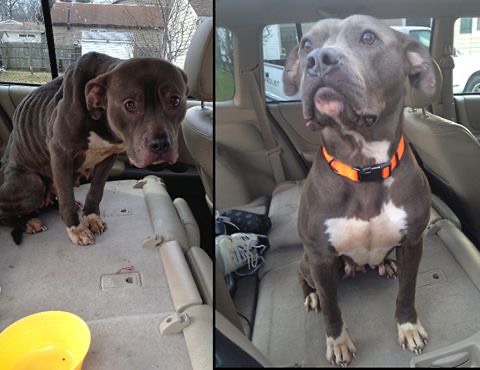
1. What is malnutrition?
– Malnutrition isn’t at all rare in dogs. Common signs of this condition include a dog’s body losing vitality, along with a dull, thinning coat that sheds heavily. So in the article below, BTM PET SHOP will give you detailed information to better understand malnutrition in dogs.

2. Causes of malnutrition in dogs
– Calorie deficiency: Not getting enough calories causes a dog to lose weight, develop bad breath, and feel tired all day.
– Fat and fatty acid deficiency: This deficiency causes a dog’s coat to become dull and shed heavily. It can also cause flaky, allergic skin. When allergic symptoms appear, you should add Omega-3 and Omega-6 to their diet.
– Vitamin A deficiency: Can cause skin infections or even blindness. You should supplement with fish liver oil to provide vitamin A for your dog’s body.
– Vitamin D3 deficiency: A lack of vitamin D3 causes rickets, stunted growth, and poor development in dogs.
– Vitamin E deficiency: Vitamin E is an important antioxidant for the body. It’s found in abundance in leafy greens and grains.
– B-vitamin deficiency: B vitamins are very important for an animal’s metabolic processes. Without enough B vitamins, your dog can experience stunted growth, damaged skin, and possibly neurological symptoms.
– Vitamin C deficiency: Without enough vitamin C, a dog’s body can lose weight significantly, resulting in rickets and being underweight.
***That said, the most common cause is simply a dog not getting enough nutrients from its food. In some cases, a dog eats a fully nutritious diet but still becomes malnourished because it isn’t absorbing the nutrients properly.
3. Signs and symptoms of malnutrition in dogs
In the early stage: the dog will eat less and lose its appetite. Its digestive system also becomes weaker. It won’t want to move around and becomes lazy. The dog’s joints may become swollen and painful.
By the middle stage: as malnutrition takes a stronger toll, the dog will often leave food unfinished. It may start licking dirty or inappropriate things. Teething and tooth replacement also slow down. In some cases, your dog may even experience episodes of seizures.
Late stage: if not caught early and allowed to progress to a more severe stage, your dog’s bones can become deformed, with visibly swollen joints. The leg bones start to bow, the spine becomes crooked and no longer straight, and the dog can become notably thinner, with weaker immunity and a higher risk of developing other illnesses.
4. Effective care measures for malnourished dogs
If you notice these signs in your dog, you need to act quickly to treat the condition and add nutritional support right away. Feed your pet food that’s appropriate for its needs. In particular, kibble formulated for dogs is one of the richest nutritional sources — it’s made according to specific scientific formulas suited to each life stage of a dog.
– Improve your dog’s diet: use food supplemented with calcium, vitamin D, and phosphorus. You can choose from ready-made kibble suited to your dog’s specific age group for the best fit.
– Supplement nutrients directly into the body: besides adding nutrients to the daily diet, you can supplement them faster by injecting them directly into your dog’s body. This approach works faster and more effectively.
+ Vitamin D supplementation
+Calcium supplementation delivered directly into the bloodstream
Or, it’s best to visit a veterinary facility so your dog can be examined by a vet, who can prescribe the most effective and appropriate treatment plan. The vet will also be able to give you helpful advice about your dog’s diet.