
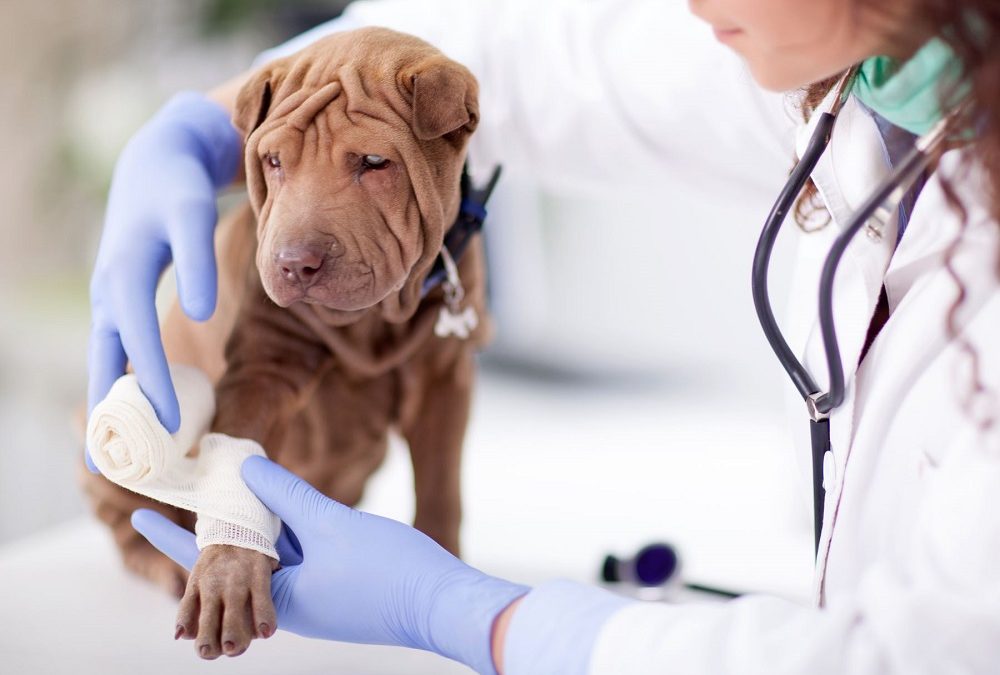
JOINT AND BONE PROBLEMS IN DOGS
Given how active and playful dogs are by nature, arthritis, joint and muscle pain, and cartilage problems are entirely possible. A dog with arthritis or leg pain can end up in pain, discomfort, and unable to walk. What’s the obstacle during their movement? How can you tell if your dog has a joint or bone condition? And how can you safely prevent joint pain in dogs? Let’s find out together with BTM PET SHOP.
- Common joint and bone problems in dogs include:
- Weak pasterns from calcium deficiency
- Weak pasterns from physical injury or reduced muscle tone
- Skeletal damage from polyarthritis
- Skeletal damage from hip dysplasia or shoulder dysplasia
- Joint and bone conditions in dogs mainly affect the knees, hips, shoulders, elbows, lower back, neck bones, and hip dysplasia in dogs, among others.
- Causes
Genetics
Diet
An unbalanced diet can make large breeds grow faster than is healthy for their age, causing a range of problems that lead to arthritis in dogs. Many large and giant breeds grow too fast, and sadly, people often make it worse by feeding them unnecessary growth-boosting foods.
You should feed your dog a well-balanced diet so it reaches an ideal weight for its age, whether by preparing food yourself or buying commercial options.
Traditional dog food often contains far more energy than necessary, which can cause dogs to become obese quickly. So you shouldn’t feed your dog this type of food. If you’re planning to feed raw food, look for a formula made for large breeds, or one suitable for dogs of all ages.
Lack of exercise
If your dog doesn’t get regular exercise, even if its weight is fine, it can still develop arthritis as it ages. It may develop any number of degenerative conditions affecting the bones, joints, muscles, and internal organs.
Regular daily exercise is extremely important for preventing or delaying arthritis symptoms. Without exercise, a dog will develop arthritis sooner.
Injury
Many middle-aged or senior dogs develop arthritis as a result of injuries from when they were puppies. For example, puppies are quite clumsy, so they may fall down stairs or jump from a height, causing an injury that can make arthritis in dogs unavoidable later in life.
That’s why you should watch your puppy especially closely during this stage. Put rugs down on slippery floor areas, since puppies walking on these surfaces can easily slip and fall, leading to joint problems.
Aging
As dogs age, their joint cartilage degrades and becomes less flexible, causing leg pain and difficulty moving around.
- Symptoms
While there are many types of joint and bone disease, the symptoms tend to look similar. First, there’s difficulty moving and visible pain. A dog with arthritis may show reluctance to walk, rarely stand up straight, and have stiff or swollen joints. In severe cases, the pain can be bad enough to cause loss of appetite, irritability, and licking at the affected joint…
- How to prevent it
- Avoid injuries during running and play
- Control nutrition
- Set up an anti-inflammatory diet
- Manage weight and exercise
FUNCTIONAL FOOD KIBBLE
JOINT & BONE HEALTH SUPPORT
FOR DOGS OF ALL AGES
ANF NATURE’S KITCHEN

With Chondroitin and Glucosamine
Helps pets recover after joint surgery
Helps pets with reduced joint function due to obesity
Supports urinary tract health
Uses natural antioxidants
Helps control body weight
Main ingredients: fresh chicken, flaxseed, fish oil, egg powder, mineral blend
BTM PET SHOP — Where Happy Experiences Meet Pets