
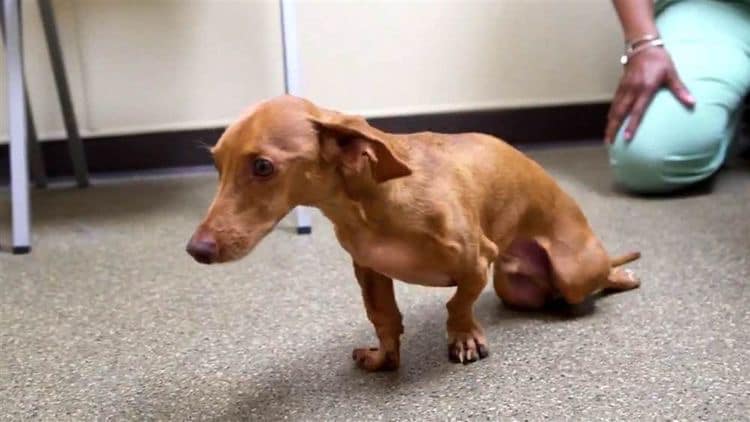
CAUSES OF LIMB PARALYSIS IN DOGS
Let’s learn about limb paralysis in dogs together with BTM PET SHOP.
1. Paralysis from spinal cord injury
Change in bark – vomiting – gradual paralysis – weakness that starts in the two hind legs and then progresses to all four legs and the neck – followed by paralysis of the respiratory muscles – death – dropping body temperature – loss of the ability to swallow – pus discharge from the eyes – dry cornea. In some cases death occurs very quickly.

2. Bacterial or viral infection
The animal was previously infected – fever of 40.6–41.1°C – heavy yellow discharge from the eyes and nose – coughing – diarrhea – tonsillitis (less severe than hepatitis) – red eyes – loss of appetite – vomiting – hardened paw pads and nose – in the final stage, seizures and twitching of the temple muscles are the most typical sign (though this does not always occur) – paralysis – inflammation of the stomach, intestines and lungs. (These signs are consistent with canine distemper and call for an urgent vet visit.)
3. Mineral deficiency
This results from poor-quality food, leading to soft bones, rickets and bone deformity.
4. Cancer and tumors
A tumor on the spine, or one affecting the nerves or putting pressure on the nerves in the leg area.

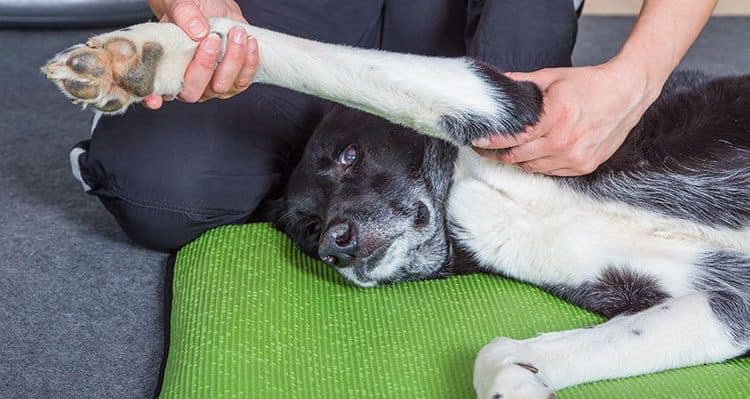
5. Injury
Palpation, manipulation, X-rays and other specialized tests can reveal a fractured spine, dislocation, or nerve compression.
6. Rickets
Signs include a “rachitic rosary” (beading) along the ribs, a thin and gaunt build, bowed legs and deformed bones. This condition is caused by a poor diet and can be treated with vitamin D, calcium and phosphate under veterinary guidance.
7. Older dogs
The limbs gradually weaken; the bones and joints may become inflamed, with degeneration elsewhere. The animal usually shows no obvious pain.
8. Rheumatoid arthritis
Tends to cause polyarthritis, though it’s uncommon in dogs. Affected joints become deformed as the cartilage breaks down, and the bone next to the joint can atrophy. The animal becomes lame, the joint stiffens, and it reacts with pain when the joint is touched. X-rays can be used to identify the damaged joint.
9. Osteoarthritis
Occurs in the shoulder, elbow and hind ankle joints, causing pain and a crackling sound (crepitus) on movement. X-rays can help confirm it, sometimes showing loose fragments (“joint mice”) in the joint, and the animal reacts with pain when the joint is touched.
If your dog shows any of these signs, please bring them to a veterinarian for an accurate diagnosis rather than self-treating at home.
BTM PET SHOP — Where Happy Experiences Meet Pets.
#PetGroomingHCMC #BinhThanhPetShop #PetShop #PetAccessories #LearnPetGrooming #LearnCatDogGrooming #PetClothing
BTM PET SHOP — Where Happy Experiences Meet Pets
- ✂️ Pet grooming
- 🏨 Pet hotel
- 🎓 Grooming training for students
- 🛍️ Pet accessories supplied
- 📞 093 71 73 188
- 📍 135/31 Nguyễn Hữu Cảnh, Ward 22, Bình Thạnh, Ho Chi Minh City